Manan Wellness
Everyone feels down or overwhelmed sometimes, but when sadness, emptiness, or exhaustion linger and start impacting how you live, think, or relate to others, it may be a sign of depression. You don't have to carry this alone. With the right care and guidance, feeling better and rediscovering balance is possible.
How common is it? Depression is highly treatable. If you or a loved one are struggling, you can easily book an appointment with our experienced psychiatrists and psychologists at Manan Wellness conveniently located in Mayur Vihar, Delhi / Greater Noida. In-person & online consultations available.
What is Depression?
Depression is more than feeling sad for a day or two. It is a common but serious medical condition that affects how a person feels, thinks, manages daily tasks, and functions.
And according to diagnostic criteria, the symptoms need to be present for at least two weeks, happening for most of the day, almost every day. These symptoms must also cause moderate to severe distress or impair your normal daily functioning. For some, a single event like losing a job, family conflict, or financial issues may trigger it. For others, no single cause exists—it is often a combination of biological and environmental factors:
- Stressful Life Events: Relationship problems, financial stress, loss, or workplace / academic pressure.
- Biological Factors: Brain chemicals like serotonin play a role; depression isn't just 'lazy behavior'—the mind and brain are in an actual state of exhaustion and burnout, and it cannot simply be willed away on its own. Genetics, hormones, and physical health all work together.
- Physical Illness: Thyroid disorders, chronic pain, and cardiovascular conditions. When depression is addressed, related physical symptoms and stress levels are significantly lessened.
- Lifestyle Factors: Poor sleep, lack of physical activity, or substance use.
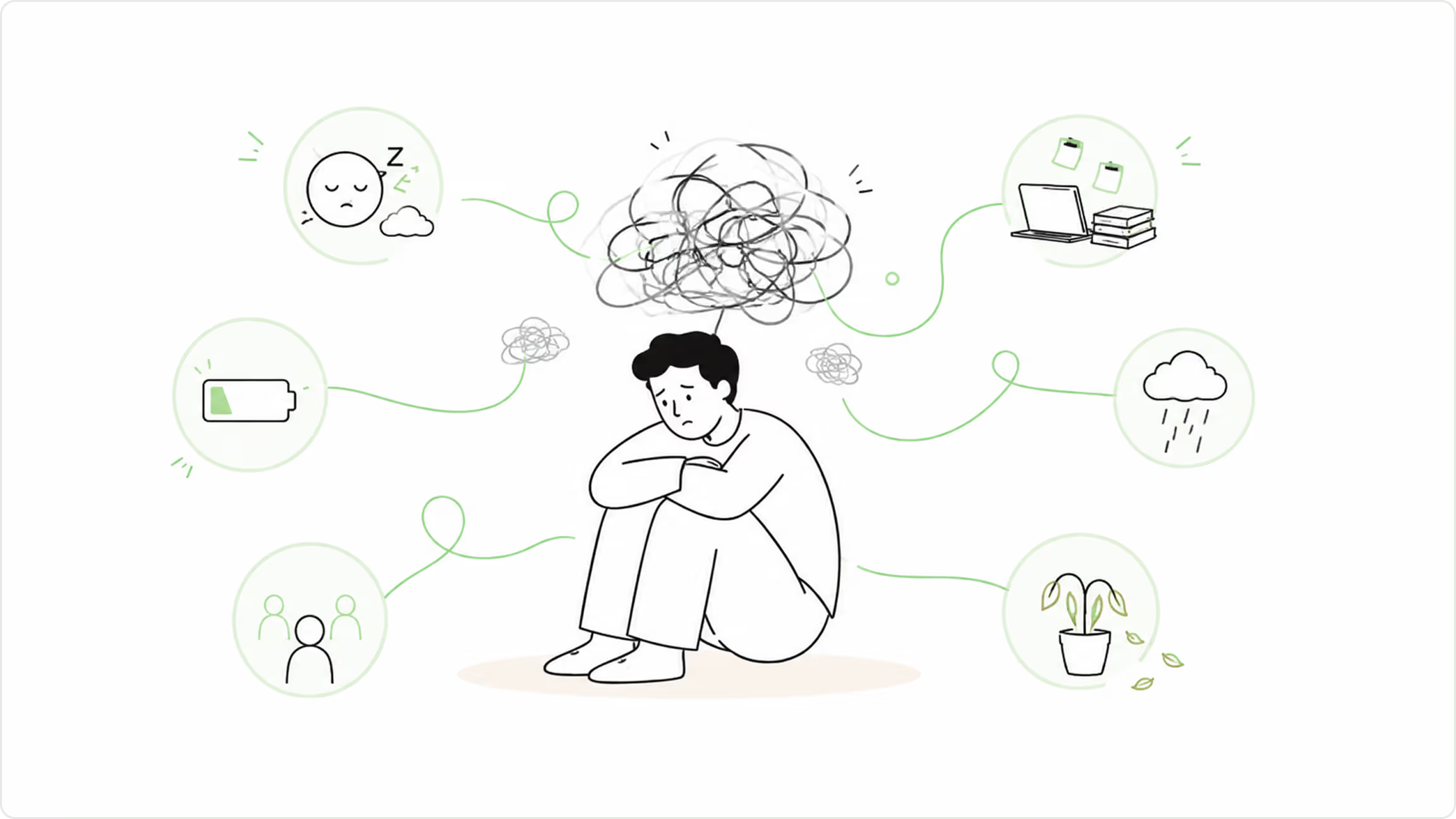
Common Symptoms People Experience
Depression is not just about sadness or tearfulness; it is a complex condition that deserves understanding. Everyone experiences it differently, but doctors typically look for at least five of the following signs, present for two or more weeks:
1. Emotional Changes (How you feel):
- Feeling sad, down, empty, or hopeless most of the day. In children and teenagers, this often shows up as intense anger or irritability rather than sadness.
- Losing interest or pleasure in all hobbies and activities you used to enjoy.
2. Changes in Thinking (How your mind works):
- Having a hard time focusing, paying attention, or making simple decisions.
- Feeling overly guilty, worthless, or feeling guilty for things that aren't your fault.
- Feeling hopeless about the future.
- Having recurring, dark thoughts about death or wanting to give up on life.
3. Physical Changes (How your body reacts):
- Sleep Problems: Having a hard time falling asleep, waking up frequently, and waking up too early, or alternatively sleeping much too much.
- Appetite/Weight: Noticeably eating much less and losing weight, or conversely eating far more than you used to.
- Movement: Moving and talking much slower than normal, or feeling so restless and agitated that you can't sit still.
- Energy: Feeling completely exhausted or having no energy, even after completing simple tasks.
Self help
While professional treatment is often necessary, certain lifestyle changes and healthy habits can support your recovery and help prevent symptoms from returning easily:
- Maintain Regular Sleep Cycle: Go to bed and wake up at the same time every day to stabilize your circadian rhythms.
- Stay Active: Regular physical activity releases mood-regulating brain chemicals and lowers cortisol.
- Manage Stress: Practice mindfulness, meditation, or deep breathing.
- Stay Connected: Talk open with trusted family or friends. Isolation can worsen symptoms.
- Avoid Self-Medication: Ensure you avoid alcohol or substance misuse as they worsen chemical depression.
- Set Micro-Goals: Break down tasks into very small steps so they don't overwhelm you.
Available Treatment Options
The good news is that depression is one of the most treatable mental health conditions. Treatment depends on how severe your symptoms are and may include:
- Talk Therapy: Talking to a trained mental health counselor helps you understand the root causes and develop healthier coping strategies.
- Medicines: For moderate to severe depression, medications can help balance the brain chemicals involved in mood. These should always be taken under medical supervision.
- Holistic Lifestyle Guidance: A combination of therapy, medication, and the self-help habits outlined above.
Disclaimer: “The information provided in this blog is for educational purposes only and is not intended to replace professional medical advice, diagnosis, or treatment. Always seek the advice of a qualified mental health professional or physician regarding any medical condition.”
Suggested Videos
Take the First Step Towards Feeling Better
Connect with a mental health professional and have a conversation at your own pace.